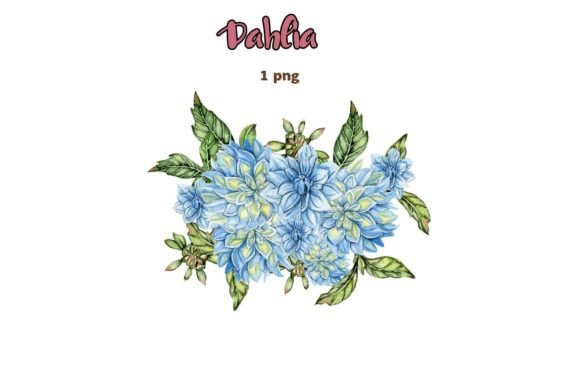
Watercolor Dahlia Flowers Composition
Opening the file for Watercolor Dahlia Flowers Composition, the first thing that strikes me is the soft, painterly aesthetic. This isn’t a sharp, graphic floral—it’s dreamy, textured, and layered with the kind of visual depth that feels like it was lifted from a watercolor sketchbook. It’s the kind of design that speaks directly to crafters and small business owners looking to add a touch of organic elegance to their embroidered goods.
What Kind of Embroidery Project Fits This Design?
Watercolor Dahlia Flowers Composition has a distinctly artistic vibe. It’s not rigid or overly structured, which makes it perfect for embroidered tote bags, baby blankets, and boutique-style sweatshirts. The layout is balanced but not symmetrical, which gives it a hand-drawn charm. It would work beautifully as a centerpiece on a linen pillow cover or as a statement piece on a custom apron for a small shop owner curating artisanal kitchenware.
If you’re creating personalized gifts or Etsy listings that lean into a soft, nature-inspired theme, this design will feel right at home. It’s especially well-suited for spring and summer collections—think floral baby onesies, embroidered tea towels, or boutique tote bags that customers can display proudly at the farmers’ market or yoga studio.
How Does It Stitch Out in Real Life?
From a technical standpoint, this is where the rubber meets the fabric. I tested the design on a mid-weight cotton tote and a soft fleece sweatshirt, both common materials in small embroidery businesses. On the tote, the details held up beautifully—especially the lighter watercolor washes that translated well into subtle thread layers. On the fleece, I noticed a slight blurring of detail in the more saturated areas, so I adjusted the stitch density and used a lightweight stabilizer to keep everything crisp.
One thing to note: the design has soft edges and blended color zones. That means it may not be the best fit for high-contrast applique work or very small hoop sizes. If you're embroidering a patch or a cap with curved surfaces, you’ll want to test the design on a similar surface first. Also, the intricate textures might get lost on stretchy or textured fabrics, so choose your materials carefully.
Where Should You Use This Design Carefully?
Despite its beauty, Watercolor Dahlia Flowers Composition does require some thoughtful handling. On dark fabrics, the lighter watercolor strokes can get swallowed unless you add underlay stitches or use light thread colors with high visibility. Similarly, on thin cotton or gauze, the design’s density could cause puckering if you don’t pair it with the right stabilizer.
It’s also not ideal for curved surfaces like baby hats or curved patches without some test runs. The more detailed corners of the composition may not stitch cleanly on a curved hoop unless you adjust the tension and stabilizer layers. If you’re planning to use this in commercial embroidery for items like holiday gifts or boutique apparel, make sure the file is compatible with your machine and that you’ve tested it thoroughly before production.
Does It Elevate the Finished Product?
Yes—but with intention. This design adds a level of sophistication that’s hard to achieve with standard floral motifs. It elevates the visual appeal of any embroidered item, especially when used on premium fabrics like linen, organic cotton, or soft knits. For Etsy sellers or craft business owners, it’s a great way to differentiate your handmade products from mass-produced alternatives.
From a branding perspective, it’s a strong asset for shops that want to maintain a soft, artistic aesthetic. If you're creating printable mockups or digital embroidery previews, this design will help potential buyers visualize the end product more clearly. It also enhances giftability—customers are more likely to buy a personalized gift if the embroidery feels like a unique piece of art rather than just a stock design.
Practical Notes for Embroidery Designers
- Test the design on scrap fabric before stitching your final product, especially if you’re using a new fabric type or color.
- Check thread color contrast against both light and dark backgrounds to ensure the watercolor effect remains visible.
- Review stitch density—especially in the more saturated areas—to avoid fabric puckering or thread breakage.
- Confirm hoop size compatibility before starting a project like a tote bag or sweatshirt embroidery.
- Inspect small details—this design has subtle textures that may not stitch cleanly on low-end machines or stretchy materials.
- Try a black and white mockup to see how the design translates without color, which is useful for previewing digital embroidery files.
- Use a lightweight tear-away or wash-away stabilizer for best results, especially on delicate or textured fabrics.
- Make sure the design is licensed for both personal and commercial use if you plan to sell finished items or digital product assets.
Final Thoughts: A Design Worth Investing In
Watercolor Dahlia Flowers Composition isn’t just another embroidery file—it’s a creative asset that, when used thoughtfully, can elevate your handmade products and digital offerings. Whether you're an Etsy seller looking to refresh your spring collection or a small shop owner curating boutique merchandise, this design brings a unique artistic touch that resonates with customers.
As with any embroidery design, success comes down to understanding the material, the machine, and the intended use. This one rewards attention to detail and careful execution. If you're ready to move beyond basic floral motifs and explore more expressive embroidery, this composition is a solid choice for your next project—be it a custom embroidered baby blanket, a personalized tote, or a digital embroidery bundle for creative entrepreneurs.