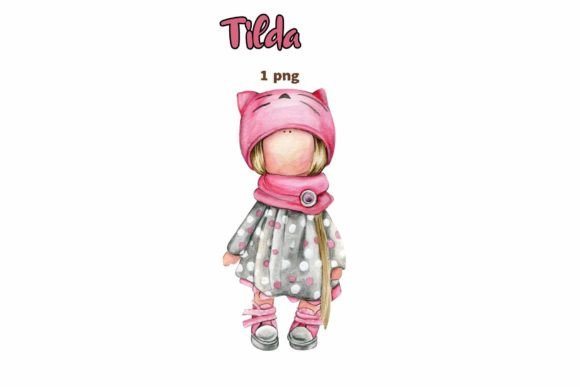
Watercolor Hand Drawn Doll Tilda: A Fresh Illustration for Brand Storytelling
First Impressions: Soft, Whimsical, and Inviting
As a brand designer reviewing Watercolor Hand Drawn Doll Tilda, the first thing that stands out is its soft, handcrafted aesthetic. The illustration carries a gentle, artistic charm that immediately evokes warmth and approachability. This makes it ideal for brands that want to communicate a sense of creativity, authenticity, and emotional connection.
The watercolor texture and hand-drawn lines suggest a human touch, which is particularly effective for small businesses, lifestyle brands, and content creators who want to feel personal and relatable. It leans more toward the casual and boutique side of branding, making it a strong fit for handmade products, editorial design, and seasonal promotions that aim to feel intimate and expressive.
How Tilda Elevates Brand Communication
From a content marketing perspective, visual assets like Watercolor Hand Drawn Doll Tilda play a crucial role in shaping brand perception. This illustration isn't just decorative—it's a storytelling device. Used strategically, it can help guide your audience’s emotions and expectations, especially in campaigns that rely on mood and narrative to convert or connect.
- Enhances the emotional tone of product launches and seasonal campaigns
- Supports visual consistency across blog graphics, social media posts, and email banners
- Helps create a memorable visual identity that feels unique and handcrafted
Whether you're building a Canva template for social media or designing a lead magnet, Tilda adds a layer of personality that elevates your content from generic to branded and intentional.
Real-World Marketing Uses for Watercolor Hand Drawn Doll Tilda
In a recent branding project for a boutique wellness brand, I needed a visual element that could bridge the gap between organic, handmade aesthetics and modern professionalism. Watercolor Hand Drawn Doll Tilda became a key part of the visual toolkit, appearing across multiple touchpoints:
- Brand Identity: Integrated into logo variations and brand kits for a softer, more approachable tone
- Social Media Graphics: Used as a header element for Instagram Stories and Pinterest pins, increasing visual interest and engagement
- Product Launch Visuals: Paired with product photos to add a curated, artisanal feel to digital ads and landing pages
- Email Marketing: Featured in email banners to support storytelling and seasonal offers
- Packaging Design: Adapted into a subtle watermark for packaging inserts and thank-you cards
Its versatility as a graphic design asset made it a go-to element for both digital and print materials, especially when aiming for a cohesive yet expressive brand presence.
Where This Illustration Shines
Watercolor Hand Drawn Doll Tilda works exceptionally well in contexts where emotional resonance and visual storytelling matter. It’s particularly effective in:
- Hero Graphics: Adds depth and personality to campaign headers and landing pages
- Content Bundles: Serves as a unifying element in downloadable guides, media kits, and Canva templates
- Promotional Banners: Brings warmth to digital ads and Facebook carousel visuals
- Editorial Layouts: Complements blog posts, newsletters, and printables with a soft, artistic flair
- Decorative Brand Elements: Works as a supporting illustration in social media kits, stickers, and merch design
When to Use Tilda with Care
While Watercolor Hand Drawn Doll Tilda is versatile, it's not a one-size-fits-all solution. It may not be the best choice for:
- Formal Corporate Branding: Its whimsical style might feel out of place in highly professional or technical industries
- Dense Information Layouts: Can distract from data-heavy content like infographics or reports
- Small Mobile Graphics: Details may get lost at smaller sizes, reducing readability
- Text-Heavy Ads: Competes with copy in low-contrast or minimalist designs
Always preview the illustration in context before finalizing its use in a campaign or design system.
Brand Designer Notes: Practical Tips for Implementation
Before integrating Watercolor Hand Drawn Doll Tilda into your brand visuals, consider the following design and technical checks:
- Test with your brand color palette: Ensure it complements your existing hues without clashing
- Check black and white usage: Confirm it still reads clearly in grayscale or print
- Place in real campaign mockups: See how it performs in email templates, social post templates, and landing page layouts
- Preview on mobile screens: Make sure it remains legible and visually effective on smaller devices
- Test readability in small sizes: Avoid using it where detail might be lost
- Compare against competitor visuals: Ensure it helps your brand stand out, not blend in
- Check font pairings: Works well with script fonts, handwritten styles, and serif fonts—less so with ultra-modern sans serifs
- Review spacing and balance: Don’t let the illustration overwhelm the message
- Confirm commercial licensing: Always verify that you have the right to use the asset in paid campaigns, client work, or digital products
Final Thoughts: A Valuable Asset for Visual Storytelling
Watercolor Hand Drawn Doll Tilda is more than just a pretty illustration—it's a creative design tool that can elevate your marketing visuals, support brand storytelling, and help your content stand out in a crowded digital space. Whether you're a small business owner refreshing your social media look or a content creator building a branded Canva kit, this illustration adds a touch of warmth, professionalism, and personality.
If your brand leans into softness, authenticity, and a handmade aesthetic, this illustration is a strong contender for inclusion in your visual content strategy. Just be sure to test, adapt, and integrate it thoughtfully to maintain a cohesive and compelling brand experience.