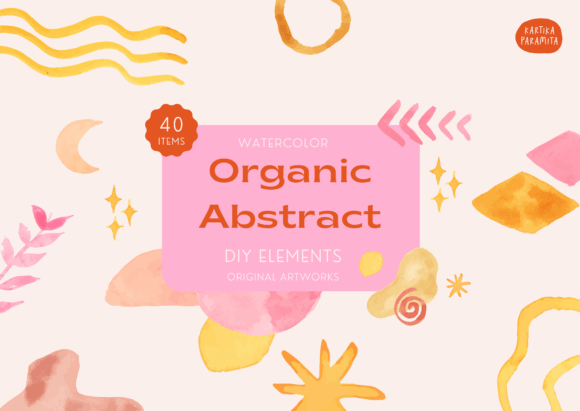
Watercolor Abstract Organic Shape Review
First Impressions: A Soft, Fluid Design with Visual Depth
The Watercolor Abstract Organic Shape immediately draws attention with its flowing, painterly lines and soft color transitions. It feels like a digital watercolor translated into embroidery form—loose, expressive, and slightly unpredictable. The abstract nature of the design makes it versatile, but the organic curves and layered shapes suggest it’s best suited for projects that lean into a natural, artistic aesthetic. This isn’t a rigid geometric or a sharp illustrative piece; it’s more about mood and texture. I can already picture it stitched onto a linen tote bag or a minimalist nursery pillow.
Real-World Use: From Sweatshirts to Baby Clothes
Let’s say I’m preparing a custom embroidered sweatshirt for a boutique client who wants something unique but wearable. I’d test Watercolor Abstract Organic Shape on a mid-weight cotton sweatshirt fabric first. The fluid lines may translate well with a combination of satin and fill stitches, but I’d be cautious about stitch density in the more saturated areas. If the design has heavy overlapping threads, it might pucker lighter fabrics or feel too stiff on a baby onesie.
For baby items, I’d opt for a smaller scale version and use soft, hypoallergenic thread. The abstract nature makes it gender-neutral and easy to match with other nursery decor. On a custom tote bag, this design could be the centerpiece—especially if the bag is a neutral color. The watercolor effect gives it a hand-painted feel, which elevates the handmade look.
Stitching Performance: What to Watch For
This design is visually rich, but that richness can pose technical challenges. Areas with layered shapes might require careful stitch sequencing to avoid distortion. I’d check how the satin and fill stitches interact—especially where colors blend. If there are fine lines or small details, they may not hold up well on textured or stretchy fabrics like knits.
I’d also test the Watercolor Abstract Organic Shape on dark fabric. The light color transitions may get lost, so I’d consider adding a subtle outline or switching to a higher-contrast thread palette. For curved surfaces like baseball caps, the fluid nature of the shape might look distorted unless the hoop placement is carefully adjusted.
Best Uses for This Design
- Custom apparel – especially on soft, structured fabrics like linen or brushed cotton
- Personalized gifts – stitched onto tea towels or throw pillows for a boutique feel
- Small shop products – as a featured design on handmade aprons or embroidered patches
- Digital mockups – works beautifully in product previews for Etsy sellers or craft businesses
The design’s visual personality suits creative entrepreneurs who want to stand out with a soft, artistic edge. It’s not a loud or flashy design, but rather one that whispers quality and craftsmanship.
Where to Use It Carefully
While Watercolor Abstract Organic Shape is versatile, it’s not a one-size-fits-all embroidery file. Here are the red flags to watch for:
- Small hoop sizes – the organic layout may not scale down well without losing detail
- Thin or stretchy fabrics – could pucker or distort under dense stitching
- Dark fabric backgrounds – may mute the soft watercolor effect
- Curved surfaces – like caps or sleeves, where distortion is likely
- High-wear items – like baby clothes or kitchen towels, where thread durability matters
If you’re using this for a commercial embroidery project, test it on a few fabric types before scaling up. It’s easy to fall in love with the digital preview, but the real-world performance is what will keep your customers happy.
How It Affects Final Product Appeal
This design adds a subtle but noticeable level of sophistication to any handmade product. If you're an Etsy seller or boutique brand, Watercolor Abstract Organic Shape can elevate your listings by offering a more artistic alternative to standard floral or script designs. It’s not just about aesthetics—it builds customer trust when your work looks intentional and professionally finished.
From a branding standpoint, this design could become part of a signature look—especially if your brand leans into organic, minimalist, or nature-inspired themes. It reads as handmade but not overly crafty, which is key for sellers who want to maintain a polished, cohesive product line.
Practical Notes for Embroidery Designers
Here’s what I’d do before stitching this design into a client project or finished product:
- Test on scrap fabric – especially the type you’ll use for the final item
- Check thread color contrast – see how the watercolor palette holds up in different lighting
- Review stitch density – avoid puckering by adjusting tension or underlay if needed
- Confirm hoop size – make sure it fits your machine and intended product area
- Inspect small details – ensure fine lines and color blends stitch cleanly
- Try black and white mockups – to see if the design still reads clearly without color
- Use proper stabilizer – especially for stretchy or delicate fabrics
- Verify licensing – especially if you're selling finished items or digital products
Always compare how the design looks on both light and dark backgrounds. Some abstract shapes read differently depending on the contrast. If you're using it in a digital embroidery file bundle, include notes about fabric and thread recommendations to help buyers succeed.
Final Thoughts: A Thoughtful Design for the Right Project
The Watercolor Abstract Organic Shape isn’t a flashy design, but that’s exactly why it works well for designers and small business owners who want to offer something a little more refined. It’s expressive without being overwhelming, and abstract without losing clarity. If used thoughtfully, it can become a signature element in your craft business or custom apparel line.
Just remember: not every design is perfect for every project. This one shines best on structured, smooth fabrics where its softness can be appreciated. Test it thoroughly, adjust as needed, and let it enhance—not overpower—your finished product.